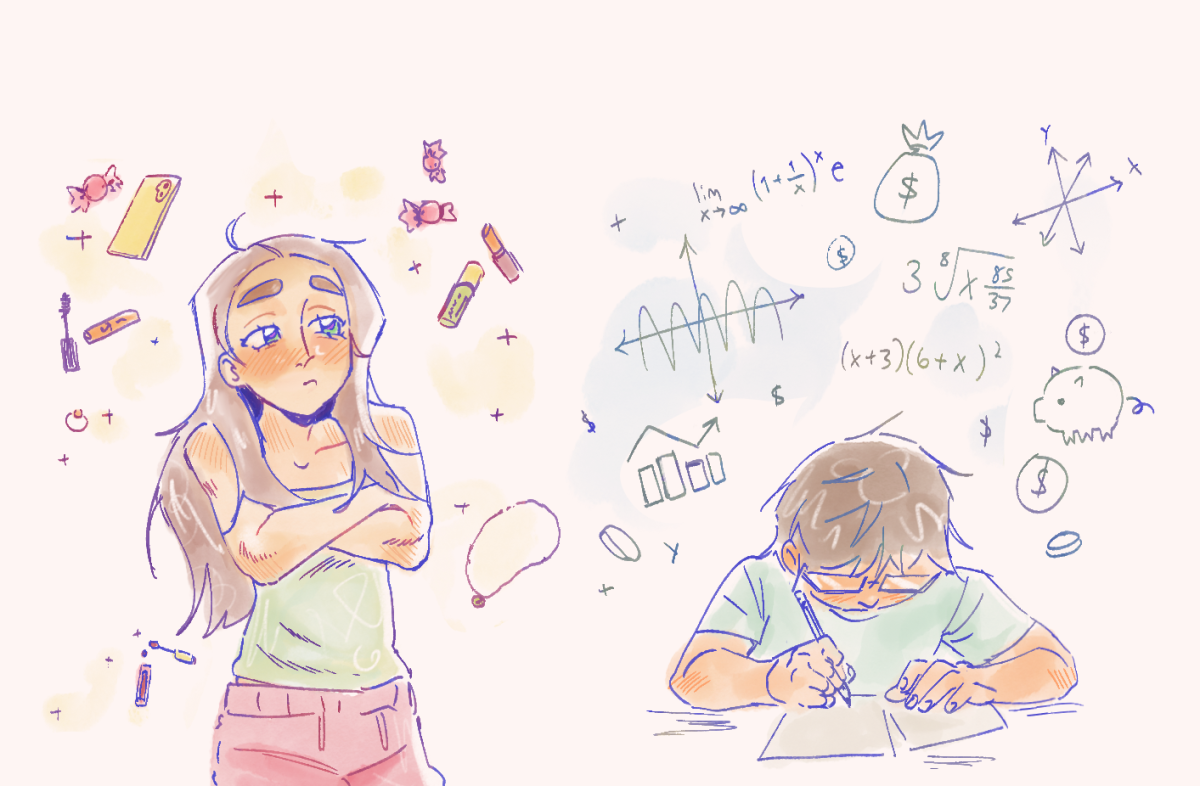

Brandon, a senior under a pseudonym, is excited to spend time with friends on a Friday night after an exhausting week at school filled with tests, essays, and college applications. While coordinating plans, he receives messages from friends stating they are unwilling to go out if there won’t be alcohol or drugs involved. Scared to take part in substance use, he lets the plans fall through and doesn’t end up socializing with his friends. This is far from the first time this has happened, and being constantly shot down for substances has damaged his self-esteem and discouraged him from making plans with friends in the future.
While this anecdote may seem extreme and unrealistic, it’s more commonplace than some people may realize, and the morbid reality of substance abuse must be acknowledged. According to the American Psychological Association, more teens are dying from drug overdoses than ever before in the U.S. Although exposure to potentially addictive substances has been a prevalent issue among high schoolers for a while, it has become increasingly normalized for socializing and time with friends to be reliant on substance use. As a result, teenagers who don’t partake in the use of these substances may find it awkward or difficult when their friends are constantly using them in their presence and dodging plans to drink or smoke with other friends. The National Library of Medicine says that teens who smoke are more likely to be selected as friends by other teens than non-smokers. The biggest issue, however, is the loss of authentic interaction among teenagers due to the overarching reliance on substance use.
According to Education Week, teen substance abuse has declined significantly from 2013 to today (from 35 percent to 22 percent of teens who drink alcohol and 23 percent to 17 percent of teens who use marijuana, among other substances). Despite this decline, the interference of substance use with social interaction is still very much an ongoing issue among teenagers. Notably, the amount of overdose deaths among teenagers has actually increased, as fentanyl and other illicit substances continue to emerge. The reliance on substance use is in opposition with the need all teenagers have for genuine interaction with their friends and other peers. High school is one of the most challenging times in life, from both a social and mental health perspective, and having friendships where one can build authentic bonds and feel free of social pressure is invaluable. The National Library of Medicine says that feeling a lack of connection to others can lead to detrimental effects on the health of students, both physically and mentally. While other factors like preexisting mental health conditions, amount of free time, and situations at home can come into play, substance use is also an aspect that can’t be ignored. Teenagers who don’t have a close-knit group of friends to have as support can be affected by these long-term consequences as they go through high school. Students who don’t have a strong, secure social network can be much more susceptible to peer pressure, as they are more desperate for social connections. This susceptibility can then play a role in creating a cycle of students either feeling dejected or falling prey to peer pressure and starting substance use.
Some people may argue that substance experimentation and other similar activities is an integral part of the high school experience and that nothing can be done to prevent teenagers from taking part in it. It is understandable for teenagers to occasionally want to take part in substance use, especially at large social gatherings like parties or other events. In some cases, however, regular socializing with friends becomes contingent on whether substances will be used. When some teenagers’ desire to take part in the use of substances begins to damage the abilities of other teenagers and themselves to form connections with peers, or leads to them falling victim to the subjection of peer pressure, is when it’s clear there is an issue present. Instead, teenagers should learn to embrace spending quality time with friends rather than relying on the overuse of substances at the cost of social relationships.