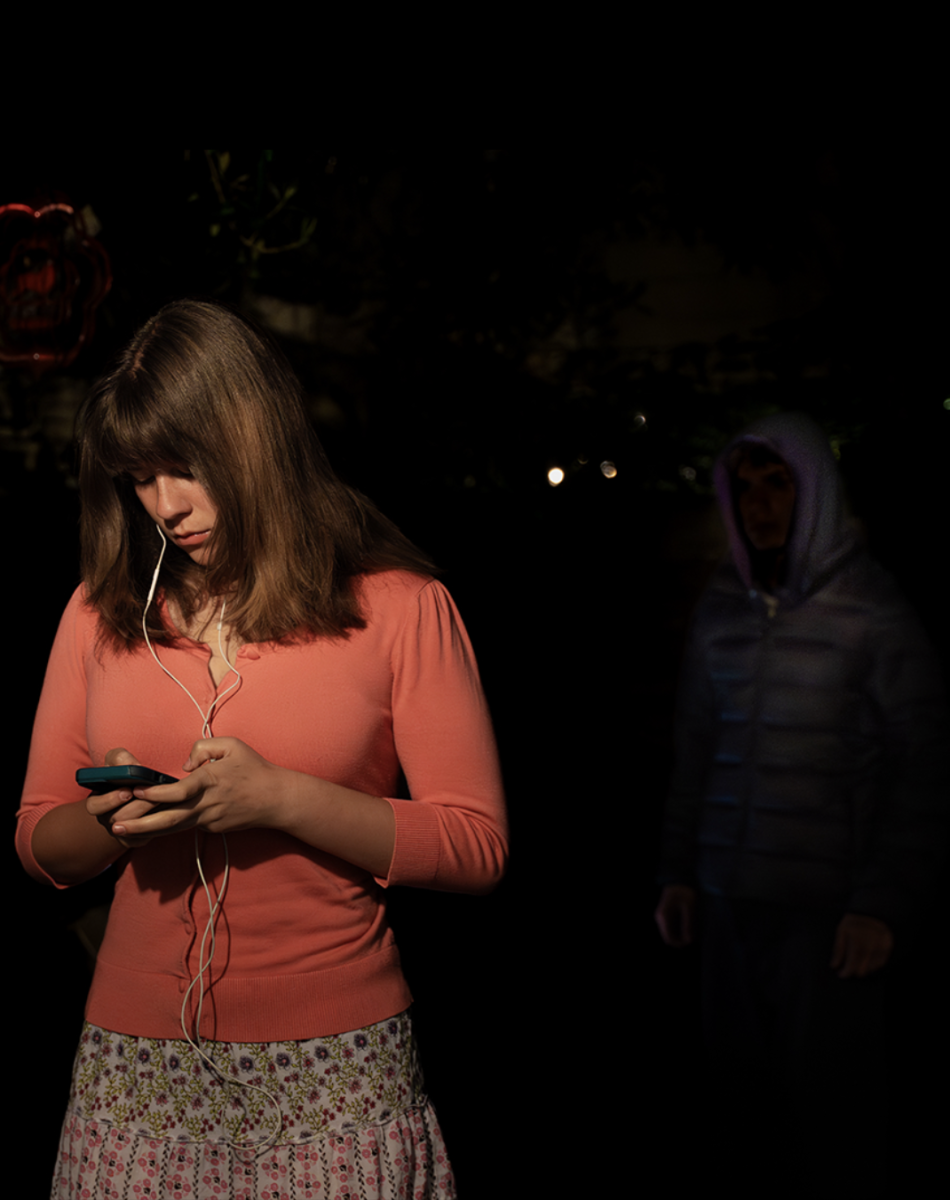

According to the National School Threat Database Resource Center, since the early 2020s, schools across the United States have faced a growing number of threats and evacuations. Lowell High School itself has faced not one, but two threats this school year. While the threats themselves existed externally and the school couldn’t have prevented them, various student’s recollection of the evacuation revealed how limited communication from administration led to some confusion. The bomb threats have greatly impacted campus life, emphasizing a clear need for improved communication practices and better preparation for handling emergency situations at Lowell.
On October 7, 2026, around 1 p.m., 2,700 students were evacuated to Lowell’s two respective evacuation sites: Rolph Nicol Jr. Playground and the track and field arena. Students stayed there for almost three hours, most without food, water, or chargers for their phones. “I didn’t bring my backpack because I thought it would end quickly,” said junior Coco Lin. “My friend didn’t bring her jacket for the same reason, so she was shaking the entire time.” “I asked my history teacher for more information on what was happening, but he was just as out of the loop as I was,” Julian Sagi, a junior, said. The hours that followed consisted of students conversing with each other or texting their parents. With faculty, students and parents all feeling left in the dark, the question of safety was left unanswered.
After the police confirmed the campus was clear of any threat, the day resumed almost immediately. This return to normalcy, while efficient, also raised an important concern: should events of this magnitude be so easily brushed aside?
In the spring semester, another bomb threat occurred on March 10. Emily Anit, a junior, recalled, “I honestly was kind of desensitized because it’s happened already.” This growing sense of desensitization is perhaps the most concerning outcome. The second time around, the atmosphere felt less urgent and more like a break, with students “on the Citizen app (a mobile app that allows users to live stream updates on emergencies or crimes in progress) and making Tiktoks,” according to Anit. What should have been treated as a serious emergency instead began to resemble a disruption that students could adapt to, or even take advantage of.
Beyond safety concerts, these repeated incidents have also disrupted academic progress. Chiara Andrichak, a junior, noted that the threats occurred during her AP Chemistry block, leaving her class behind schedule and forcing them to cover new material up until the AP exam. While missed class time may seem minor, the cumulative impact from these unexpected disruptions also places added stress on students already navigating rigorous coursework.
Reflecting on how the Lowell administration could improve its response to these unexpected situations, and ensure the safety and peace of mind of everyone involved, The Lowell suggests adding more timely alerts to relay information more quickly. It can be a harrowing experience for students to be outside for hours with no updates on the severity or progression of a threat. The administration should aim to make the nature of the threat clear as soon as possible, and provide regular updates on the situation to both students and teachers alike.
Additionally, when possible, teachers and the school should allow students to access their phones during a threat. Anit raised concerns about the school’s phone policy. With teachers often mandating that phones be stored in a specific location during class times, she worries about being unable to contact her family during an emergency in which classrooms are evacuated. Andrichak offered a practical solution: teachers who collect phones should take the phone box with them during evacuations. In high-stress situations, uncertainty only heightens fear. While limiting phone use during class may reduce distractions, emergencies demand a different priority: immediate and reliable communication.
Although SFUSD schools rely on systems such as emails, texts, and calls to provide updates, delays in relaying real-time information also leave both students and teachers feeling unprepared. It is understandable that getting students and staff to safety is a priority during these threats, and an emergency may temporarily delay communication. However, once everyone is evacuated, clear and efficient communication—either through the use of mobile devices or through in-person updates and announcements—should become a priority for the Lowell administration. To ensure this outcome, existing policies and systems should be explored further to better balance safety, communication and accessibility during emergencies.
For those concerned about safety, resources do exist. The San Francisco Unified School District provides emergency updates through text, email, and handphone notifications. Schools follow the Standard Response Protocol to reduce confusion and communicate critical information. Students can also use the district’s anonymous “Say Something” reporting system to report threats. Additionally, SFUSD offers wellness centers and mental health resources for those who may need someone to talk to about their experiences, along with partnerships with organizations like the National Alliance on Mental Illness and Huckleberry Youth Programs. These resources are essential, but their effectiveness depends on how well they are integrated into real-time responses.
While the likelihood of another bomb threat this school year may be low, these evacuations cannot be dismissed as isolated incidents either. Instead, they should serve as an example of how clearer communication, policies with greater flexibility, and robust preparedness can all make these threats less stressful and disruptive for students, teachers, and the school as a whole.