


I sat down at a table in the back of the classroom on the first day of sophomore year, dreading what I knew would happen next: I would be asked to introduce myself and share something I liked to do in my free time with the students around me. When I was younger, I had a hard time answering the prompt, but for a different reason than I did recently: I had so many hobbies that I couldn’t choose one to share. Over the last couple of years, I had found myself repeating the same answers I had curated over time — “I like drawing and cooking” — but had wondered if I really still enjoyed doing those things. Every hobby I used to love had become a chore, and I constantly found myself picking up my phone instead of engaging in the activities I used to enjoy.
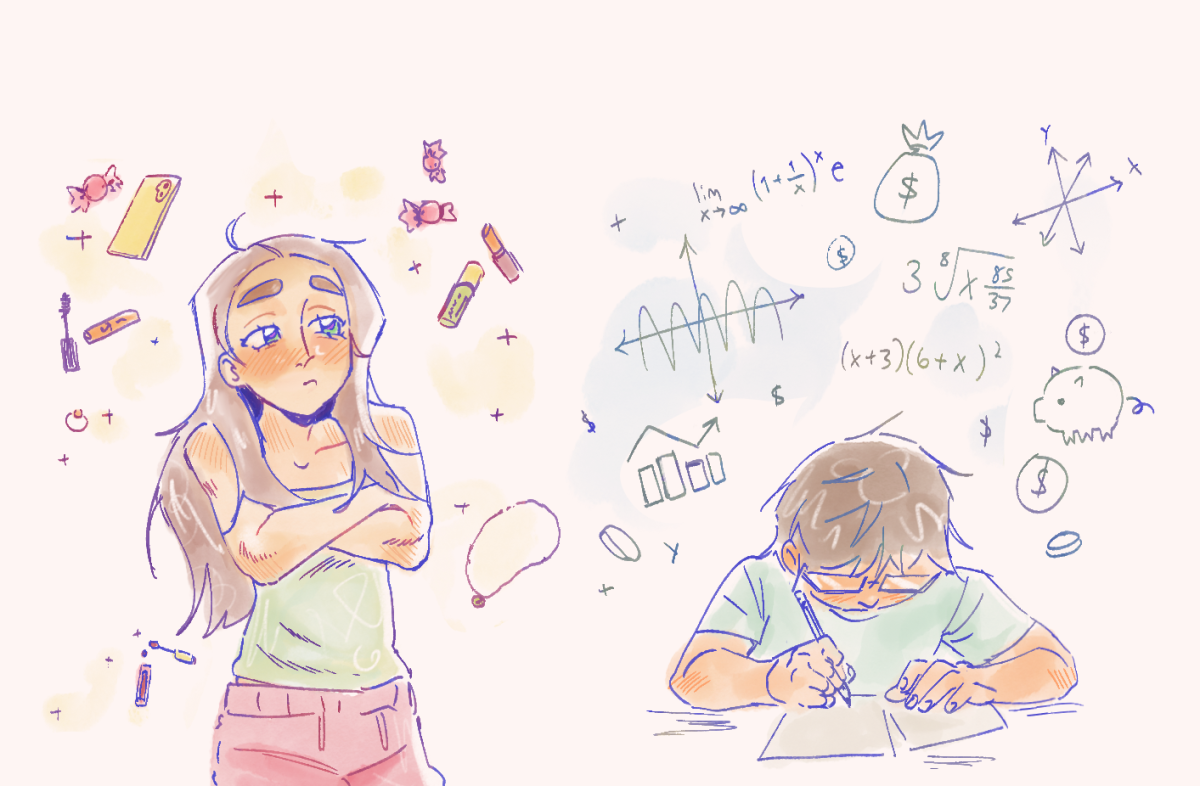
As the time I spent on my phone increased, I realized the things I used to do for fun just weren’t fun anymore. The effort required to engage in a hobby didn’t compare to the easy entertainment of scrolling on my phone. The hobbies that used to make me an individual were no longer part of my personality, and many other teens have had the same experience. I felt guilty about wasting so much time on my phone rather than doing something productive, and my lack of hobbies caused me to feel uninteresting, as I worried that I did not have much to share with others about myself. I believe that this problem could be resolved if teens spend less time on screens, allowing them to rediscover their passion for their hobbies and bringing a sense of fulfillment, happiness, and relaxation into their lives.
It could be said that teenagers lack hobbies because they are simply too busy to spend time engaging in these activities. Many students, especially at Lowell, are busy with their academics and extracurriculars, and are very tired after school. However, many of these same students spend hours on their phone a day. If these students are “too busy” to participate in their hobbies because of the amount of time they are using their phone, I believe that is problematic. It would be healthier if students were able to use their phone in moderation while still practicing other hobbies, but, unfortunately, many teens do not possess the self-control to regulate their phone use.
The excessive time that many teenagers spend on screens could easily be spent indulging in other hobbies and activities off of the screen, which would benefit students mentally. However, many students, including myself, still struggle to devote their time to hobbies. In the past, and sometimes even now, I have spent hours on my phone for needless reasons, telling myself I don’t have time for hobbies when that clearly isn’t true. When I tried to focus more of my time on hobbies, I would put my phone down and resist the temptation to pick it back up, only to give up after a couple of minutes. My phone had become my only source of entertainment and relaxation, and I felt horrible about it.
I’ve tried to spend more time on my hobbies, even when it is difficult, and have seen improvements in my life as a result. When I first started limiting my screen time, I was unsure what to spend my newly gained free time with, and often gave up on indulging in any hobby. Eventually, with the help of my sister, who was working towards the same goal of lowering her screen time, I was able to clear enough time to spend a few hours per day on my hobbies.
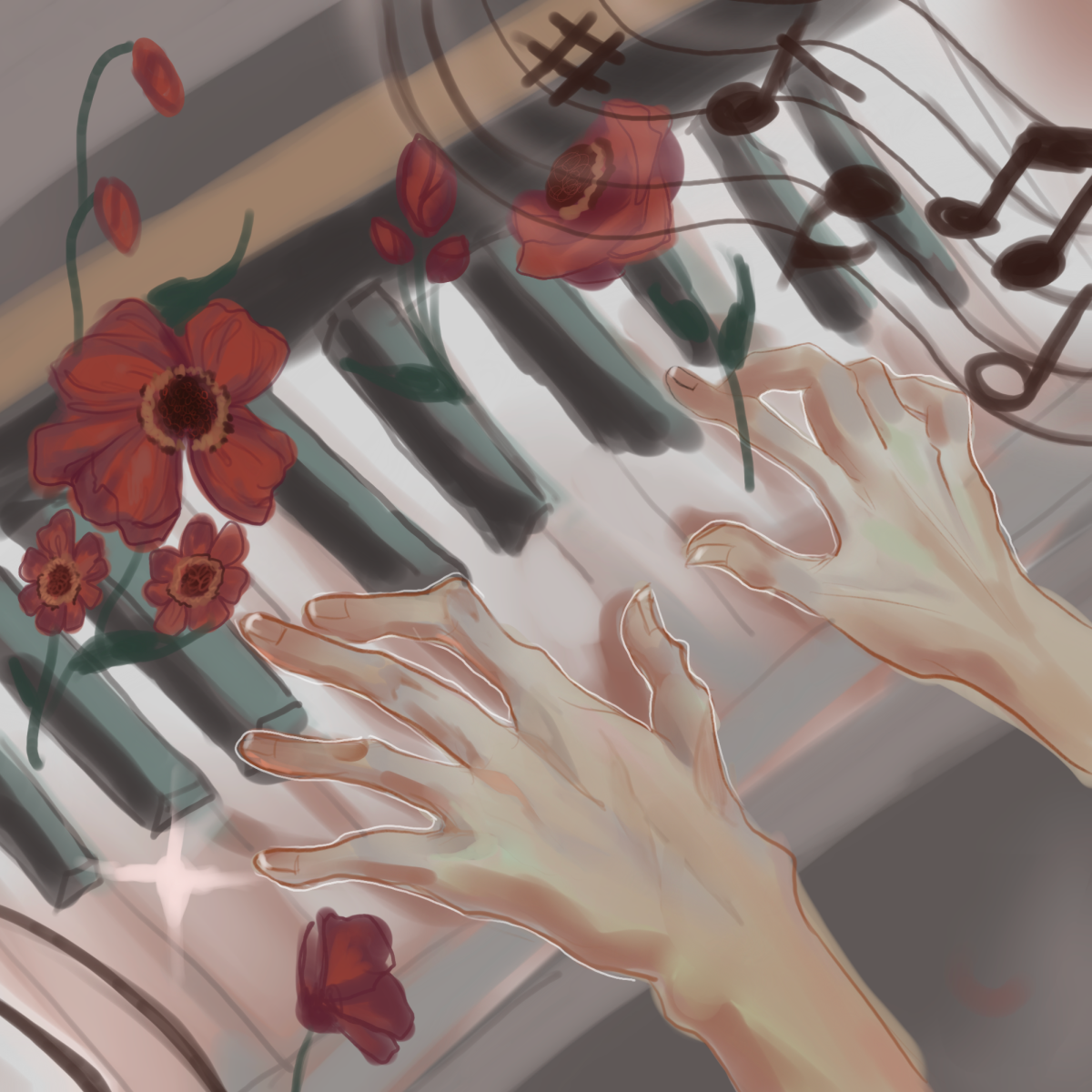
Recently, I have been spending more time playing guitar. I started playing around three months ago, and am still improving. However, I still believe that playing guitar benefits me. During my busy life, playing guitar makes time feel slow. I get to reflect on my day or the things happening around me, instead of being consumed by the distractions of the screen. As I pluck the strings, the music drowns out the noises that would usually distract me from my own thoughts, and I get the rare chance to let my mind wander. Often, I end up thinking about a change in my perception of a person, or something someone had done for me that, for some reason, I didn’t notice during the moment.
I’ve gotten back into drawing recently. It feels different from guitar in the sense that I still have distractions in my own head as I think. I’m thinking about my day but at the same time, I’m thinking about where to shade or highlight, why the eyes in my drawing look disproportionate, or what I can do to make the background less bland. This allows me to reflect without it feeling forced, which gives me a sense of relaxation.
I’m also baking again. Near the beginning of this year, I was asked by a friend to make cookies for her birthday. I had been asked to make them a couple times before, but I had been putting it off because I couldn’t bring myself to bake. Baking still felt like a chore. But for the special occasion of her birthday, I decided that making these cookies would be important. Taking my time on baking gave me a chance to think about how even after two years, my friend still wanted and requested my cookies. As with drawing and guitar playing, baking helps me be more reflective.
Thanks to bringing these activities back into my life, I am able to recognize and appreciate aspects of my life that I commonly take for granted, like the kindness of my friends, and these noticings often change the way I interact with someone the next day. While I reflected on these things, I realized that in past years, I barely thought about the events in my life. Every open moment I had, I would distract myself with my phone, preventing me from thinking about my own life. Now, with the reflection that I gain from my time spent playing guitar, I believe I have been able to recognize and find greater appreciation for the people and things around me.
While I still use my phone a lot more than I would like to, I have seen the difference it makes in my mood when I spend time on my hobbies versus when I spend hours on my phone. When I play an instrument, make a new recipe, or draw in my sketchbook during my free time, I feel happier, and I am proud of myself for using my time productively. Through devoting time to my hobbies, I have developed new skills and improved on ones I had before. I benefit from those skills much more than I would have from scrolling on my phone; I can draw for school projects, make desserts for a friend’s birthday, or play a musical piece during an event. By using my time more wisely in this way, I don’t feel the guilt I would have felt otherwise, and I feel better about myself.
On a recent occasion, I was asked to share a hobby of mine. I felt less intimidated by the prompt. My mind wandered to my usual answers to the question, and I realized that I was actually starting to enjoy the activities that I had always told people I did for fun. As I replied that I liked to draw, cook, and play guitar, I felt more honest in my reply. My hobbies have provided me with skills that I cherish, and spending less time on my phone and more time exploring my interests has improved the way I feel about myself.







stephanie • Apr 21, 2025 at 6:19 pm
relatable