

My body slumped into the restaurant’s small wicker chairs, heavy from the events of the hours before. It rained in Montauk the day we buried my grandfather. Dark clouds were pulled into the sky by the wind as it ebbed and flowed. Shadows loomed on the walls, shuddering when waiters passed and caused the candles to flicker. The crowded space was filled with fleeting conversations, clinking glasses, and boisterous laughter. But in this swarm of sounds something familiar broke through, reverberating from the restaurant’s speakers above. I recognized the signature slow drag and pulsing synth of LCD Soundsystem’s “Someone Great.” My heart beat with the baseline as my eyes welled with tears. It rang: “…When someone great is gone… when someone great is gone.”
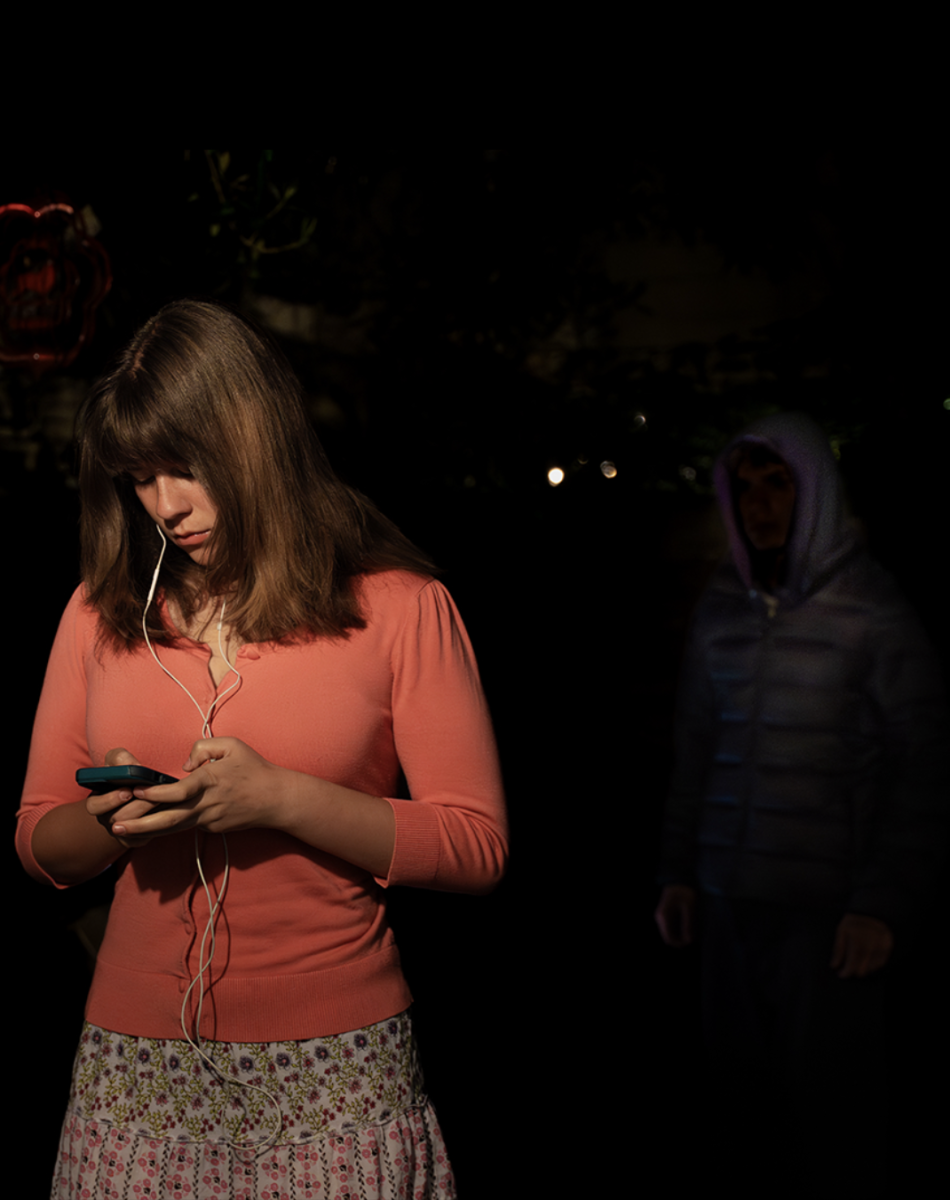
I grieve deeply. Whether I mourn for lost loved ones, forgotten friends, or even for parts of myself, my grief swallows me whole. It invades every thought and action; it crawls to me at night like a needy dog, when the silence of my room allows for no other preoccupation. For me, music is a vessel. It carries all of my emotions and holds them close, amplifying them to great heights. Often, the music I love tethers itself to a person, even those that I never knew very well, and especially those that I no longer know. I fit my headphones in my ears and press play, allowing myself to be consumed in the awe of who these loved ones were and who they could have been.
Last year, my grandfather passed a day after my birthday. My mother frantically left the table as I blew out my candles to catch the soonest plane to New York so she could say goodbye. I remember thinking that I was at that age when people started dying more. Or maybe they were always dying, but I never paid attention to it before. That night I tried to cry but the tears wouldn’t come. I begged myself to have a heart: to feel something profound or deeply sad. I became frustrated with this mental block, and needed a tool to help my emotions flow.
My grandfather’s name was John, but I always called him Poppy. As I rolled his name over and over in my mind, I remembered a song dear to me: Sufjan Stevens’s “John My Beloved.” I hugged myself, curled up like a fetus, and let my heavy eyelids fall shut. I listened. In that moment, I believed that Stevens had written the song my grandfather and I. His breathy voice called to me from under my pillow: “Beloved my John, so I’ll carry on, counting my cards down to one. And when I am dead, come visit my bed, my fossil is bright in the sun,” he sang through the linen. I sent the song to my mom, who was with Poppy in the hospital. She played it for him a few hours before he died. It was the last song he ever heard.
Patrick, unlike Poppy, I never had the privilege of truly knowing. He was my dad’s cousin. They grew up together in the humid Arkansas heat like brothers. My dad speaks softly when he talks about Patrick now, like his memories with him are delicate and must be handled with care. Mostly, Patrick is a mystery to me. I can do no more than stitch together a story for him with the few facts that I know. Everything else comes from music. Music that I’m told he loved — The Smiths, The Stone Roses, Tool, Led Zeppelin — and music that I have imagined him loving in my mind. The Patrick in my imagination would let me blast “I Wanna Be Adored” in the passenger’s seat while we drive through hill country, or giddily ask what concerts I’ve seen recently when he visits San Francisco.
The band I tie to Patrick is Car Seat Headrest. Maybe it’s frontman Will Toledo’s low, gravely speech or how his angry thrashes on guitar can suddenly become tender and tame. I wonder about Patrick, about who he was and what he was like. Toledo makes me content in this confusion. Patrick lives in this music to hold me when I’m enthralled in its sound, speaking to me from a far away place.
Sometimes, the pain of mourning a lost friendship is worse than a deceased family member. When I was in seventh grade, I was hospitalized. I lived in a building with other teens — most of them older than me. One day, around my second week there, someone new was admitted. I was at the dining table, making little stars out of scraps of paper and listening to music on my computer. They sat down across from me. I glanced up, trying to take them all in before they noticed I was looking: dark, buzzed hair, brown eyes, glasses, chipped black nail polish. We didn’t say a word, but I felt like I had known them for a long time.
I finally broke the silence and asked “do you have any songs you want to play?” and turned my computer around so they could queue something. A few moments passed before I heard the soft, familiar flute “The Predatory Wasp of the Palisades Is Out to Get Us!” by Sufjan Stevens. It swept through the room. I hadn’t heard it for a long time. I looked up at the stranger across the table, they looked at me too. “I know you. I get who you are,” I thought as the song blared on. It provided a shred of solace in that strange place.
We became close over the next month. During the day we would share earbuds and listen intently to our music. At night, we shared a room and would tell each other secrets. When we got out, we were terrible about keeping in touch. They went to college and I started high school. I think about them often, and play that song some nights to remind myself that their friendship wasn’t just a hazy dream. It was sincere. It cradled me when I needed it most and is woven into my soul forever.
These people, and many more, have molded me like clay. Music is all I have to sustain our connection. Certain songs open locked cashes in my mind, bringing back the sound of their laugh or the smell of their clothes. It gives me respite – a reason to explore mourning and sink into sadness. Through music, I become tangled in the thoughts of those I’ve lost.











Sarah • Dec 10, 2025 at 7:46 pm
I enjoyed every word.
Mia Q • Nov 5, 2025 at 9:45 am
Such a good piece. Stella is an amazing writer.