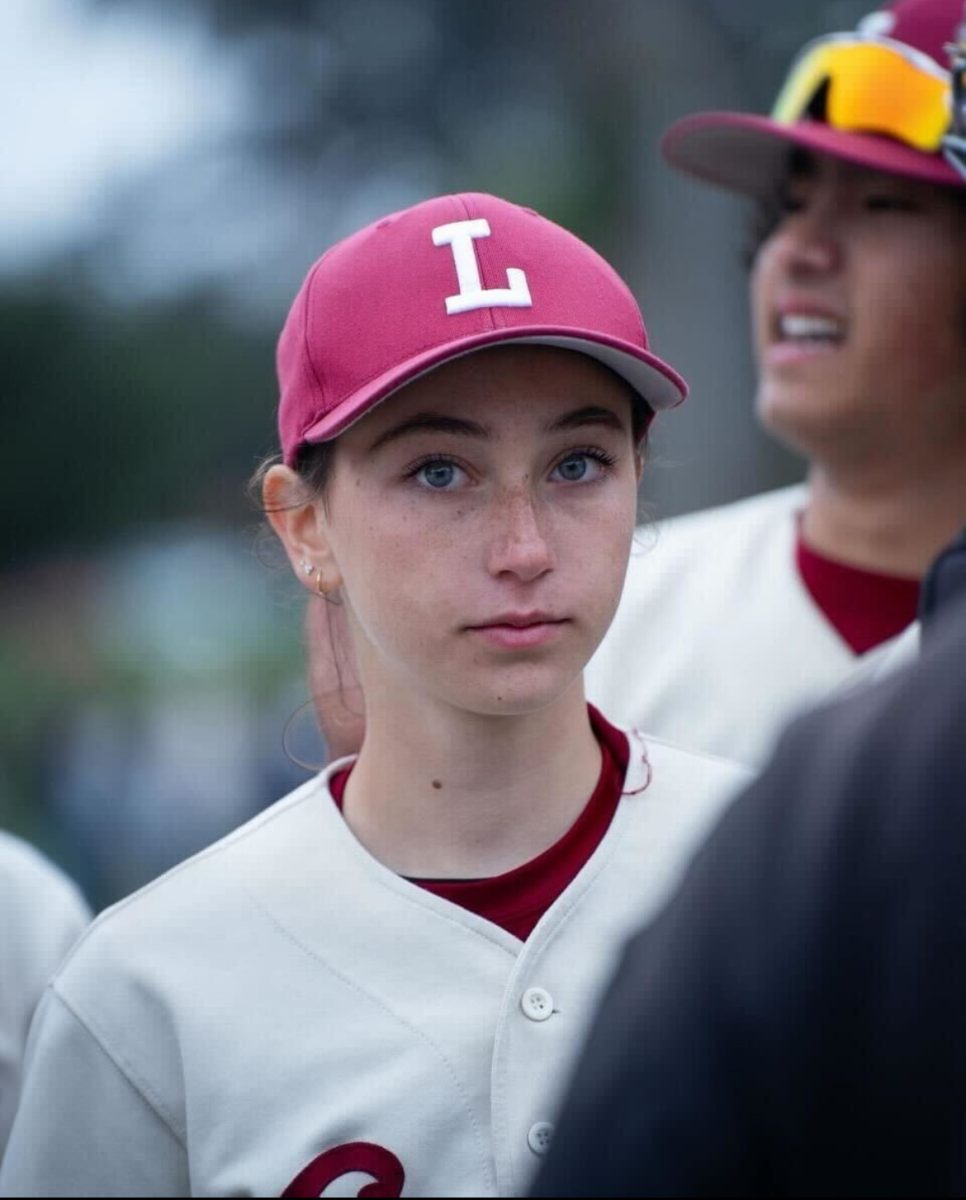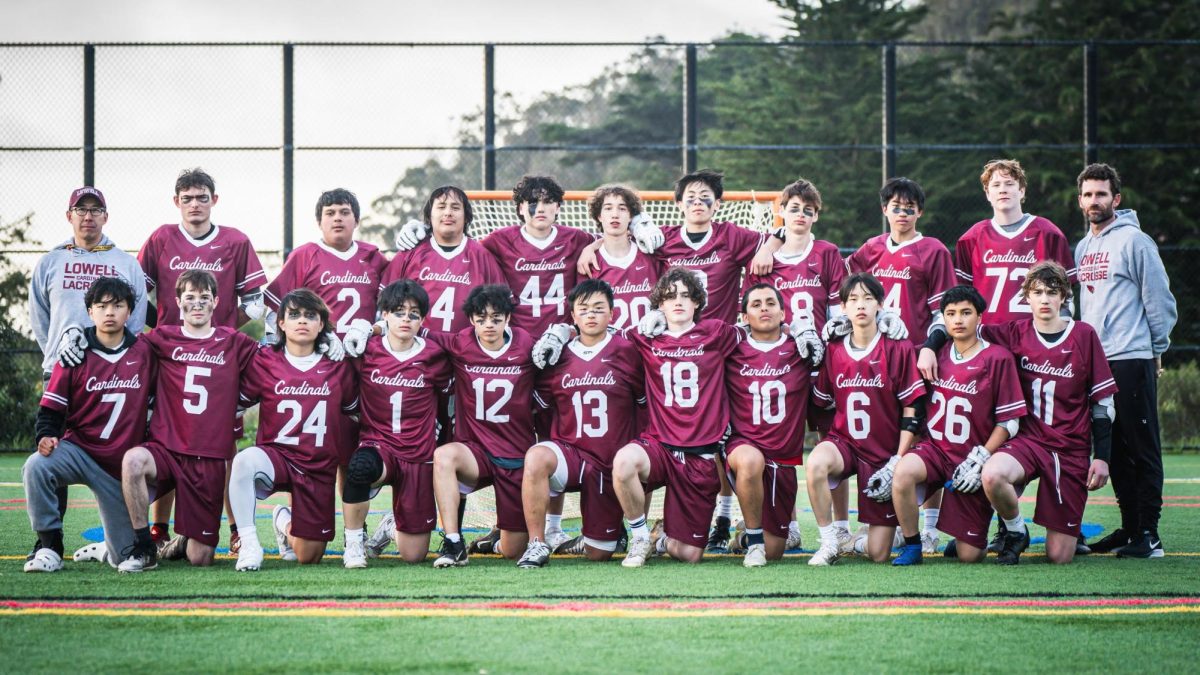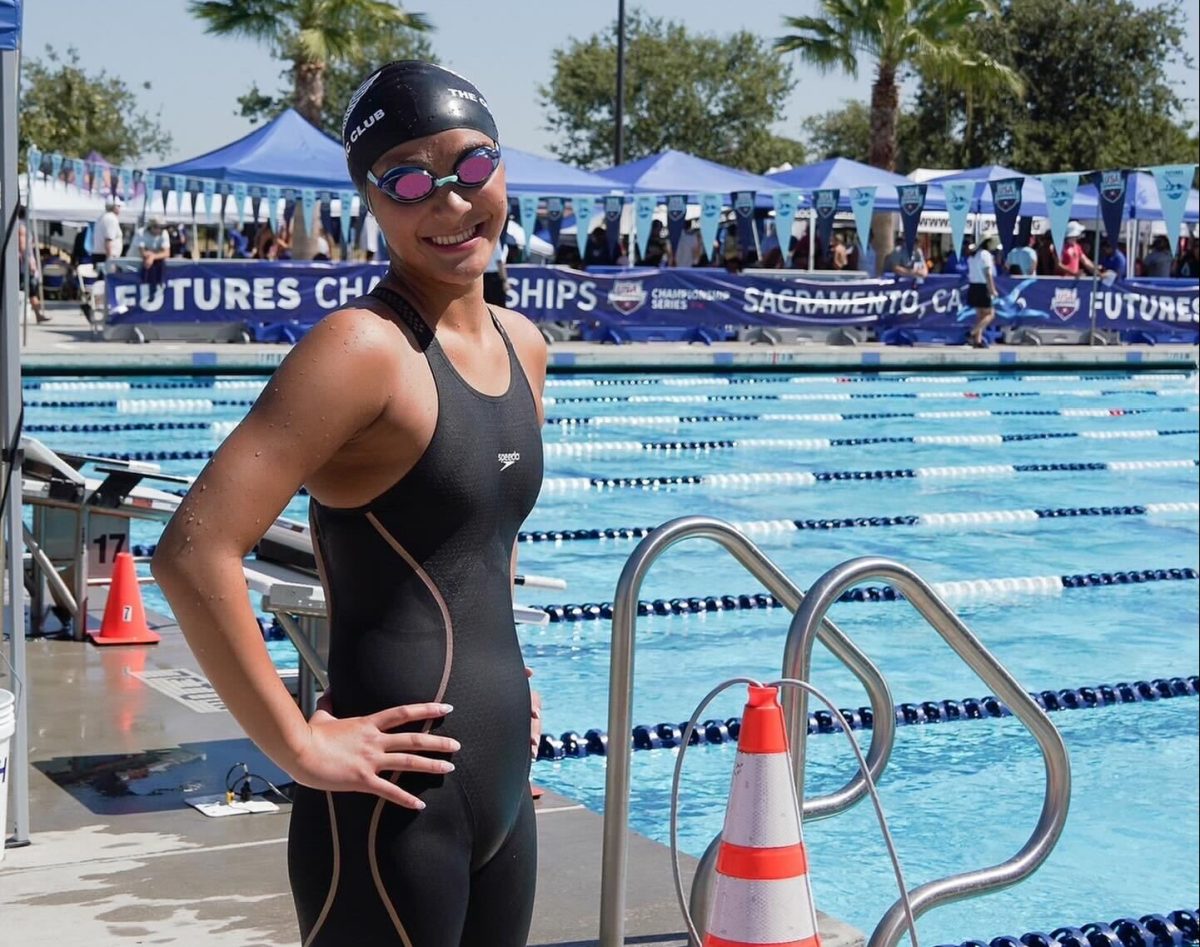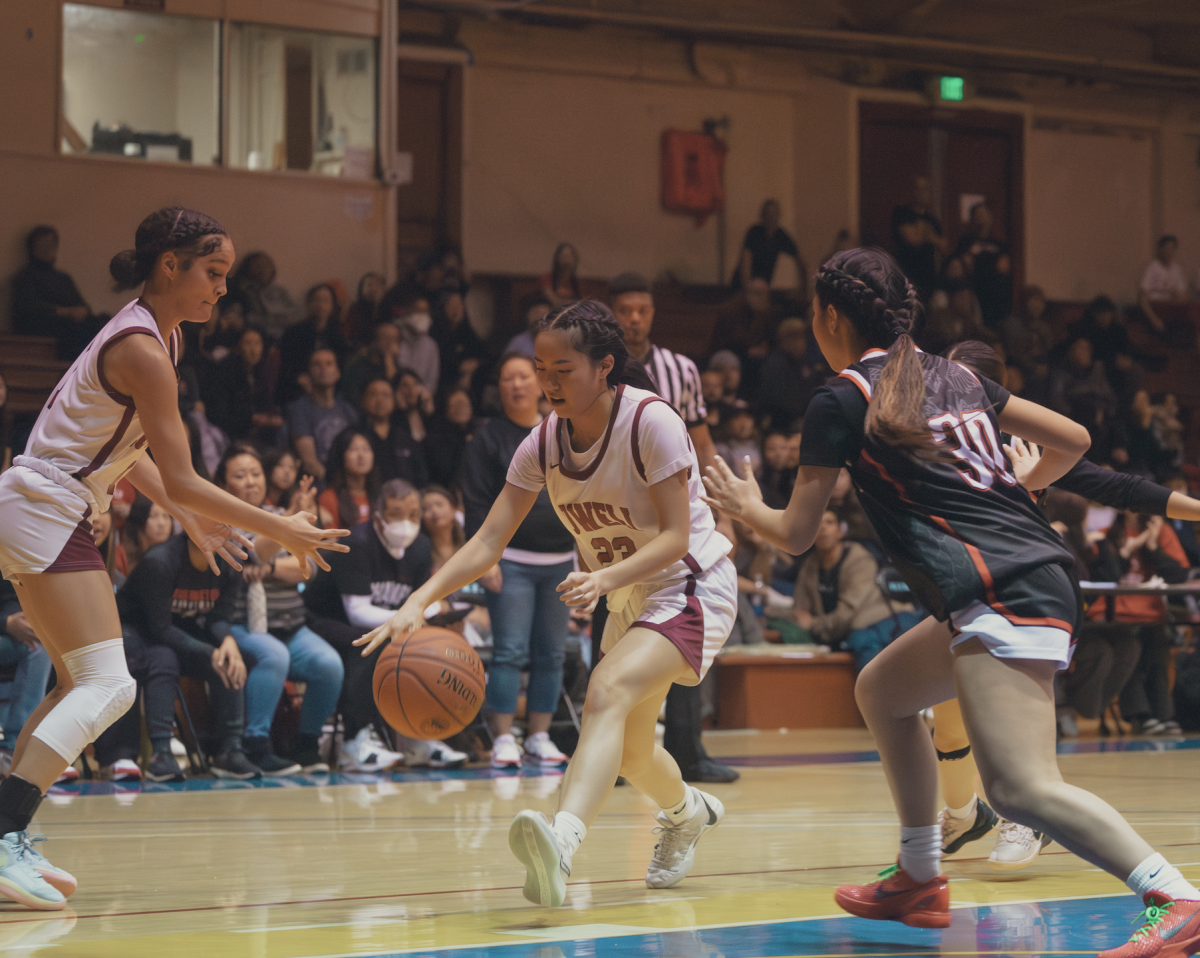

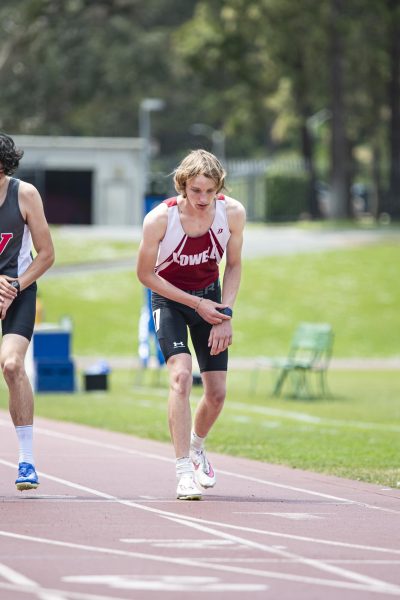
Henry Witt, D3 Track and Field | Johns Hopkins University
How did you get into your sport?
I started track middle school, inspired by my brothers who had both done track and had great experiences. Before that I had done dance for like 10 years, and I actually didn’t quit until the beginning of high school.
When did you know you wanted to pursue track professionally? Were you naturally fast or did you work up to it?
Yeah, I think the cool thing about running is if you put in a lot of work, you just get better. I wasn’t great when I started, but I feel like I sort of found time to put in all the work and it paid off. When I quit dance sophomore year, I decided I was going to lock in on track. Then at the beginning of junior year I had a really good race, and I was ranked pretty high for San Francisco. So I had a realization almost, and it made me consider looking into running for college.
How did your recruitment journey happen?
It was crazy. I was looking at D1 and D3, and I was talking to some D1 coaches. And for me, I reached out to coaches initially. I had a list of schools I was interested in, and I just kind of emailed coaches and I was like, “hey, here’s my stats.” Some of them never got back to me. The ones that did, I had a dialogue with throughout the season, and then as I got better I would reach back out with my new time. Then it all started coming on really fast in the summer because I was under the impression I had time until January, like everyone else did for college apps. And then I had one call with the coach. He’s like, “yeah, we need you to confirm you are going here by September.”
Is that the school you wanted to go to?
No, that was the University of Chicago.
So how did you end up going with Johns Hopkins?
I think at the end of the day, like, I like running, but I don’t want to be a pro runner. I definitely wanted the sort of student athlete feel. So that’s also why I chose D3 over D1, there’s more of a balance. I also really liked the academics at Hopkins, so being able to get in through running was a major plus.
What advice would you give to others who are looking to get recruited or play professionally in college?
Start early, but decide late. I know for D1 especially it’s a lot of stress from colleges saying “you need to commit here by freshman year,” and that’s a lot. But I would just say weigh all your options and give yourself time.
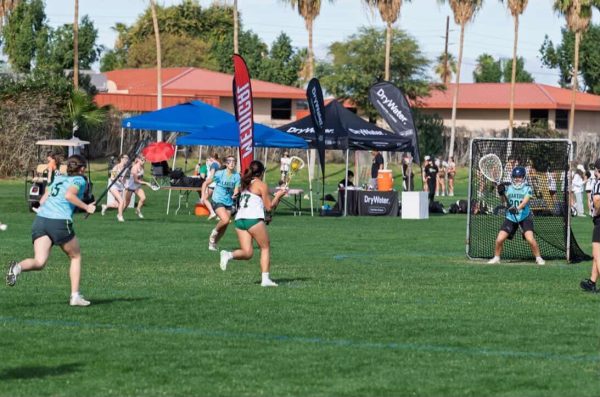
Kalaina de Leon, D2 Lacrosse | Lee University
How did you start playing Lacrosse?
I started playing lacrosse sophomore year. My friends got me into it, and I really enjoyed it, so I started playing club too. Before lacrosse, I never really played a sport consistently. I had done basketball, but I had never been serious about it, but when I joined a club team and got close with my club teammates, I realized I really liked being on a team, and it was super cool to make close connections through a sport.
How did you get recruited?
I never really thought about playing at a college level until colleges started reaching out to me at tournaments. I played for a small club team that wasn’t big on recruiting, so the concept was foreign to me. Then I signed up for the International Women’s Lacrosse Coach Association (IWLCA) where I submitted films of myself playing to the website. From there, coaches who had interest reached out to me and I went to tour their schools.
What appeals to you about playing in college as opposed to a club team in college?
I think a thing for me about working so hard as an athlete is that I want to come out of it accomplished. Like, you want to be able to say, “Hey, I play at the Division Two level.”
That was the appeal for me. And then obviously athletes get really nice perks playing for the school, like the gear and facilities and amenities.
What advice would you give other athletes who
are considering being recruited?
You should always go in with the intention of not committing to a school solely for your sport. Throughout my recruiting process I had to ask myself, “if I get an injury or like, if I’m not able to play any more, would I still be at that school?” In general, don’t commit to a school because of the people that are on the team or the coaches because those change so much. Especially at the Division Two and Three levels, people come and go. So commit somewhere you love, and prioritize your education.
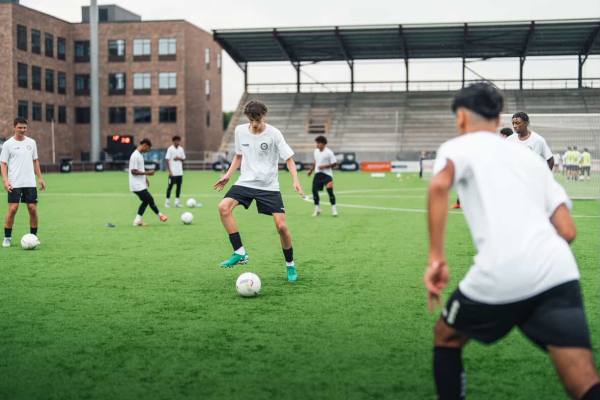
Sammy Long, D1 Soccer | University of San Francisco
How did you start playing?
I started playing soccer when I was five. I joined my local team with my friends and I’ve stayed on that team for my entire life. My dad was a big soccer fan, so he got me into the sport, and it just stuck. I’ve only ever played soccer.
When did you realize you wanted to play soccer in college?
When I was around the age of eight, me and this other guy who I had been playing with since we were little got invited to play on a team over the summer in Europe. So I think from that point on, I realized that I was decent at soccer. I wanted to keep going with it, and then I just kept playing. Now I want to be able to play at the highest level I can, and maybe one day play on a professional team.
How did you get recruited?
Around the start of junior year I had to do a lot of reaching out, asking for coaches to come watch me at tournaments. And initially I wasn’t getting that much interest.Then I had one tournament in Maryland, which went well, and after that I had a lot of coaches reach out to me. From there I would go on visits to these schools. If they liked me and gave offers, then I had to decide from there which school I wanted to go to.
Can you recall a high point in your soccer career thus far?
This past summer I got to train at Major League Soccer (MLS) academies in the states, as well as compete in a tournament in Denmark. We played against guys on the professional team there which was super cool.
What advice would you give to other athletes looking to get recruited?
You have to do a lot of the work yourself and that you can’t wait for the coaches to reach out to you, even if you are really good. How much work you put in on and off the field makes a big difference in where you’re going to go.
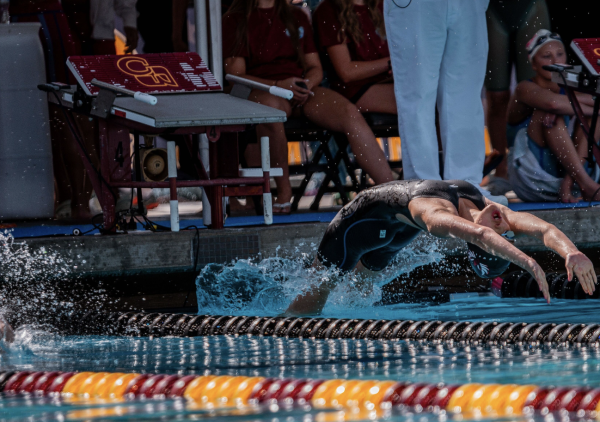
Amanda Vu, D1 Swimming | Vanderbilt University
How did you get into your sport?
I’ve always done swimming my entire life.
I started competitively when I was seven years old, and from then on, I always knew I wanted to swim in the future. When I was eight, I was one of the fastest girls in my age group in the Bay Area. And coming back from COVID, I really focused on swimming. It was always my dream to go to the Olympics, but over time my goal was to swim at a Division One college and then maybe qualify for Olympic trials later on.
How did your recruitment journey take place?
June 15th of my sophomore year was when Division One schools could legally reach out to me after tracking my stats online and being ranked against other girls nationwide. I remember that day at midnight receiving different emails from at least 60 different schools that had interest in me and it was super exciting. From there I started correspondence with some of my top choices, and in junior year I got to visit a bunch of the schools, and narrow down my list. I was between University of Southern California, University of San Diego, and Vanderbilt.
Do you plan on swimming after college?
I’ve always believed that swimming is the type of sport you do for life. But definitely after college, I see myself doing U.S. master swimming. I know swimming is just always going to be in my life because it’s just a really good way to stay in shape too.
Can you recall a high point in your swim career thus far?
The highest point of my career was actually over the summer from junior year to senior year. I was at Summer Junior Nationals and I made the last spot of top 32 people qualifying for the finals. Then in finals I dropped two seconds off my best time and qualified for the U.S. Open. It was a huge achievement for me and one of those moments where I see I’m on track to getting where I want to be.
What advice would you give other athletes looking to get recruited?
No matter what sport you do, if you want to do it in college, you have to love it, because you’re gonna be doing it every single day, you’re going to be doing it even when you don’t want to do it. You’re going to be doing it many hours a day, too. So I just feel like if you don’t love the sport and you don’t love what you’re doing, then there’s no point in dedicating so much time to it.