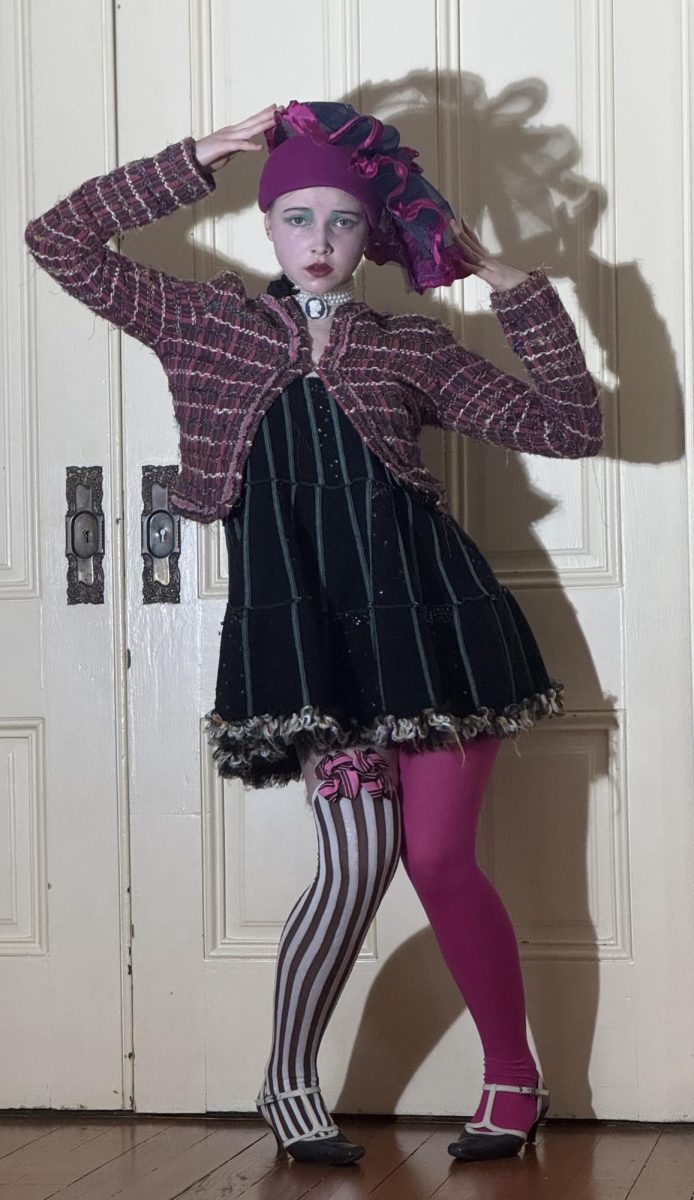


Last school year, Lowell senior Gray Gardiner’s AP English Language class was reading a book about an intersex person — someone who is born with one or more traits in their chromosomes, genitals, hormones, or internal reproductive organs that don’t fit the biologically male or female patterns. Despite this being one of the few times Gardiner´s English class was incorporating LGBTQ+ literature, it left Gardiner — who uses ze/hir pronouns — in tears. The book felt very inauthentic to hir, as it was written by a cisgender person, instead of by someone who was actually intersex. To Gardiner, who identifies as genderqueer, this made the book seem unrepresentative of a genuine queer experience. Specifically, what Gardiner found most upsetting was that queer literature is very rarely incorporated into curriculums, and when it is, it is often done incorrectly.
To combat the misrepresentation and lack of queer literature in Lowell curriculums, Gardiner has created lesson plans with queer literature for teachers to incorporate into their curriculum. Gardiner wants to work with Lowell staff to make queer students feel seen and respected in the school community. Ze hopes that the lesson plans will help accomplish this. Being part of the LGBTQ+ community hirself, Gardiner strives to make other LGBTQ+ students feel represented and seen, especially after having negative experiences being queer at Lowell.
Gardiner has had mixed experiences as a genderqueer person at Lowell. While ze has found support through Lowell’s Gender Sexuality Alliance club (GSA) and encouraging staff members, ze feels that being queer at Lowell can still be isolating. According to Gardiner, a significant portion of Lowell’s student population is queer, but ze continues to hear stories of queer students at Lowell experiencing homophobia. “I hear slurs that have been yelled, and a lot of the time it gets ignored, not changed,” Gardiner said. Additionally, Gardiner has struggled with feeling like a part of the Lowell community due to parts of the school lacking LGBTQ+ support systems. For example, Gardiner claims that some Lowell teachers do not use trans and gender-nonconforming students’ preferred names, which can make trans students feel diminished and overlooked. Additionally, Lowell locks gender-neutral bathrooms during passing periods, and ze feels that this causes many transgender students to feel that they do not have access to the same basic necessities as their cisgender peers.
From hir experience, Gardniner finds that being able to relate to inclass texts makes queer students feel less alone. However, Gardiner feels that on the rare occasion when queer literature is used in the Lowell curriculum, it often misrepresents the individuals it is trying to shed light on. “Last year, I really struggled with the lack of queer literature in my classes,” Gardiner said. “I had a book that was kind of about queer themes, but it wasn’t very genuine. It was very hard for me to read — I would try to read it and cry halfway through because it was such a huge misrepresentation [of the intersex experience].” Ze feels that while Lowell teachers try to incorporate queer literature, some do so in a way that is more harmful than good, such as using books that are not written by queer people themselves. “When it’s a straight cisgender person writing about a queer character, it doesn’t reflect the queer experience, and can often come off as being harmful even if it is not intended to be that way,” ze said.
Gardiner’s lesson plans feature literature written by queer authors. “The lesson plans are looking at queer literature that’s from good sources, and from actual queer people,” Gardiner said. “It’s a good representation that can allow students to see themselves in the class.” For example, a lesson ze made for juniors involves a reading and discussing an excerpt from the novel Don’t Press Charges and I Won’t Sue, by Charlie Jane Anders who is a transgender author. “This story explores how gender is not determined at birth, by setting it in a dystopian world where trans people are forced to transfer their memories into another body, which will then be released into society,” Gardiner said.
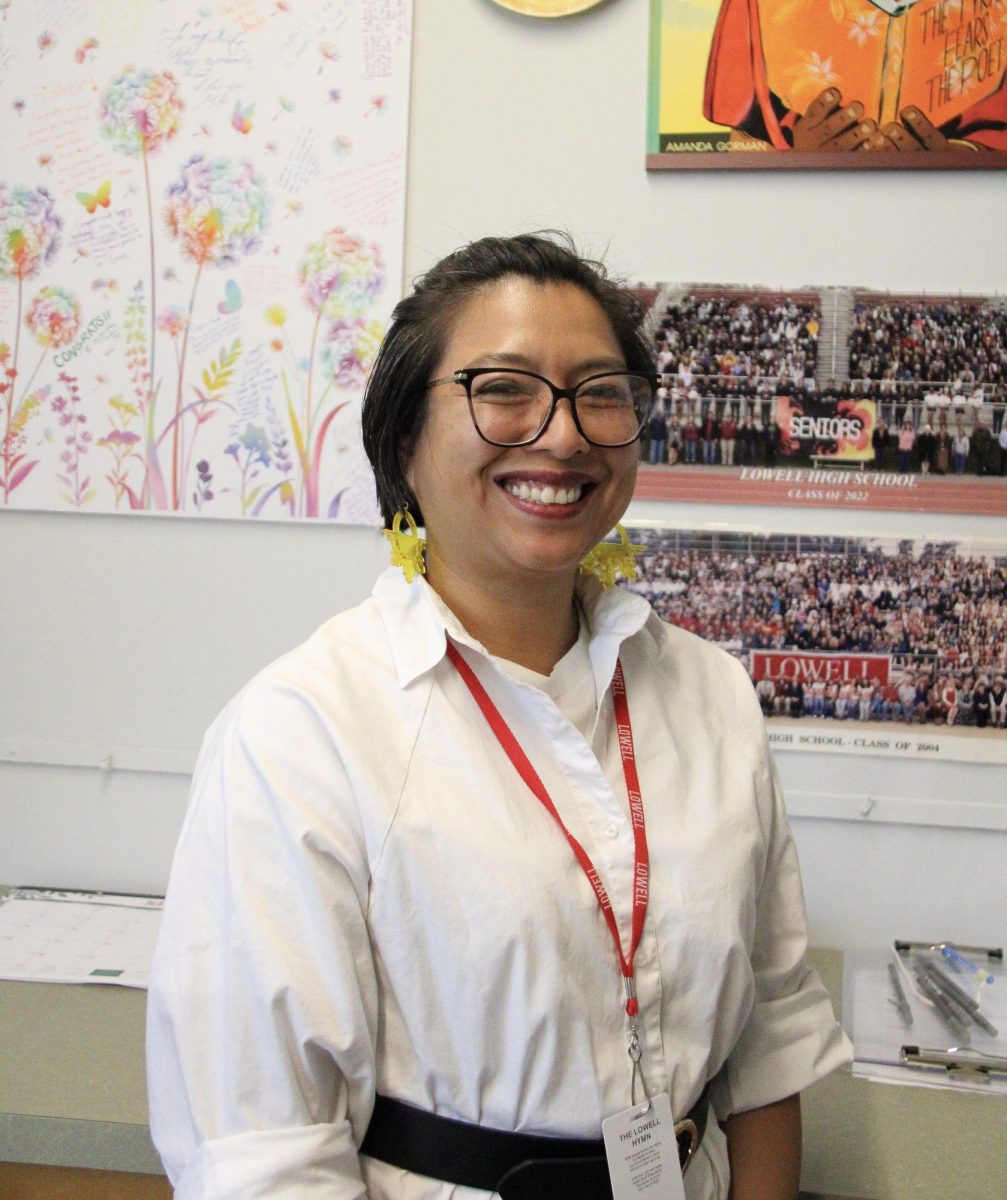
While the lesson plans were mainly an individual project, Gardiner had help revising the plans from Kelci Hartz, the Lowell LGBTQ+ student liaison, and members of GSA. Gardiner strives to make other LGBTQ+ students feel represented. Ze hopes that if teachers use hir lesson plans, it may help to address the issues of misrepresentation and lack of recognition of queer students. “I think one of the great things about these lesson plans is that they can guide that representation to be from queer people, about queer people, and be accurate and have depth,” ze said. “It’s a chance for [Lowell teachers] to start getting more comfortable with having to teach LGBTQ+ topics, so hopefully they continue to do so.”
According to Gardiner, two teachers chose to teach the text from the lesson plans that ze created last year. Recently, some teachers have reached out to Gardiner to ask questions about hir lesson plans, while some teachers are already planning on teaching one of the lessons. Ze has created one Google doc with text(s) and discussion questions with additional information for each AP and standard English class, which accounts for six classes, as well as similar lesson plans for history classes.
Gardiner hopes that hir lesson plans will have a positive impact on the Lowell community. Through the lessons, ze strives to make queer students feel more accepted at Lowell. “I need people to understand that trans people are here, and that trans people have meaningful impacts on the community and are important as a whole,” Gardiner said.